


Therapy for Religious Trauma and Faith Deconstruction
There's a particular kind of lost that comes from being raised in a system that answered every question for you.
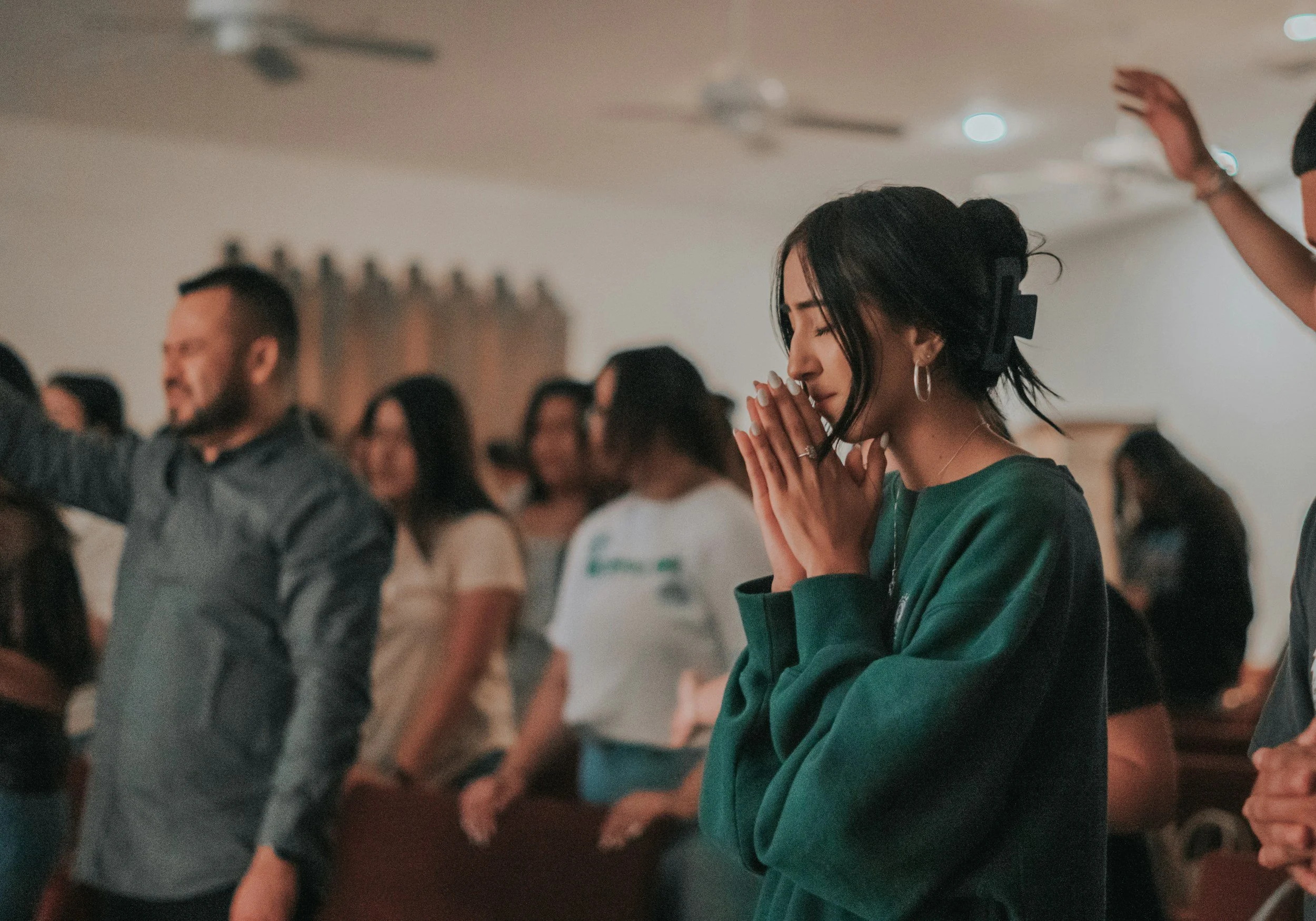
You were taught what to believe, what to feel, what your body meant, who you were allowed to become — and now that you're asking your own questions, the ground itself feels unreliable.
Can I trust my judgment, when I was taught my judgment was the problem? Can I trust my body, when I was taught it was shameful? Can I trust my mind, when doubt was treated as danger?
This is the territory of religious trauma therapy. I'm Logan Brantley, a licensed clinical social worker at Soul Works Healing, and I work online with people recovering from high-control religion, purity culture, and spiritual abuse — in California, Illinois, Texas, Virginia, Maryland, and Washington, D.C.
Some of the people I work with have left their religion or tradition. Some are staying. Many honestly don't know yet. All of them are welcome here, and none of them will be told where to land.
Trauma that makes you question everything
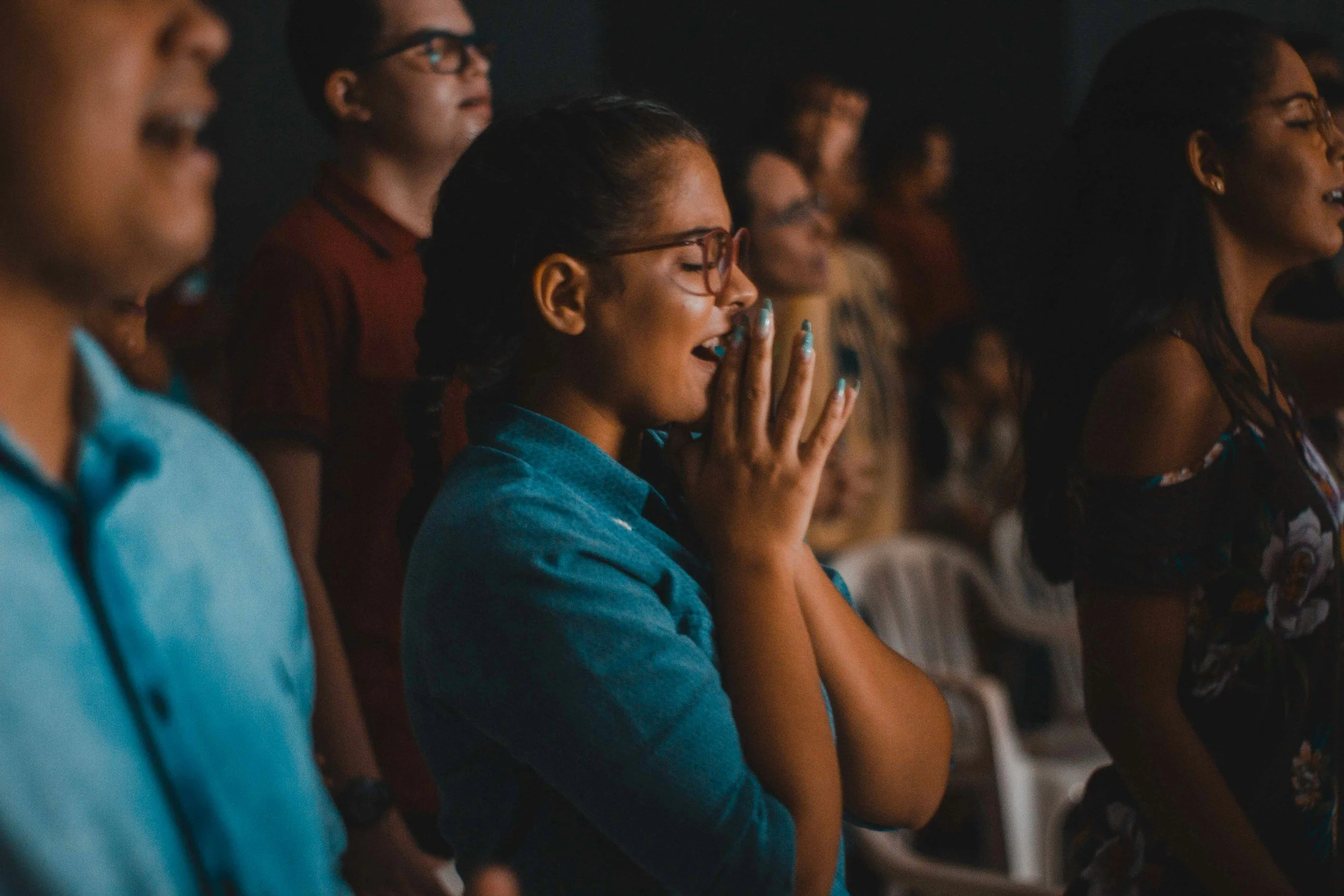
Religious trauma is the lasting harm that can follow a high-control religious environment: chronic shame, fear of punishment, distrust of your own thoughts and body, and grief for a lost community or a lost certainty. It can come from dramatic harm, like abuse by a leader, or from quieter harm — a childhood spent under constant surveillance of your soul.
You may have seen the phrase religious trauma syndrome, proposed by psychologist Marlene Winell. It isn't a DSM diagnosis, and it doesn't need to be. The pattern is real, well described, and instantly recognizable to the people living it.
No single tradition owns this. It happens in evangelical and mainline churches, in Orthodox communities, in mosques and temples, in high-demand groups of every size. The mechanics — control, shame, fear, surveillance, belonging held hostage — matter more than the theology they came wrapped in.
What is religious trauma?
Common signs: guilt that arrives without a crime, panic after small pleasures, flinching at your own doubt, difficulty making decisions without an authority to check with, shame about your body and sexuality that outlived the beliefs that installed it. And grief — for community, for family closeness, for the person you might have been.
The one who left years ago and still hears the old voice grading her. The one still in the pew, keeping her questions where nobody can see them. The one whose family made faith the price of belonging, and who is doing the math on what honesty would cost.
If your first instinct is that your experience wasn't extreme enough to count, look at that instinct closely. Ranking your own pain low is often part of the training.
Do I have religious trauma?
How this religious trauma therapy works

-
Yes. Religious trauma therapy is about how a system treated you and what it taught you about yourself. I have no stake in what you end up believing. At Soul Works Healing, people in active faith, people long gone from it, and people suspended somewhere between all do this work — and I don't steer the destination.
This matters more than it might seem. A lot of what's written about religious trauma quietly assumes that leaving is the goal, which recreates the original problem: someone else holding the pen on what you should believe. The work here is renegotiating your relationship with belief, community, body, and authority, so that whatever you keep, you keep by choice.
-
Religious trauma tends to live in three places at once: in the body, as shame and vigilance; in your parts, as an internal critic that speaks fluent doctrine; and in language itself. I work in all three, using somatic parts-work, Brainspotting, and expressive arts, over secure video in six states.
Language needs special care in this work, because for many people the words for meaning, goodness, and hope were the same words used to control them. Prayer language, scripture language, even "healing" language can set off the old system. Expressive arts matters here for exactly that reason: image, movement, and metaphor let you do meaning-making in a language nobody ever weaponized.
The internal voice that grades you gets curiosity, not debate. Debating it point by point rarely works — you were trained to lose that argument. Parts-work approaches it differently: how old is this voice, whose is it really, and what is it afraid would happen if it went quiet? Underneath the critic, there is usually a part that was just trying to keep you safe from something worse.
Sessions follow the same arc as all my individual therapy — The Filling In, Setting Foundation, the "big work," and The Harvesting — at a pace your system sets. And video means you do this from your own space, which carries real weight when the last institution you sat inside had aisles and authority.
-
My clinical center of gravity is complex and relational trauma, and the specific work of reconciling who you are with who you were raised to be — first-generation adults, family black sheep, people renegotiating inherited rules. Religious trauma sits squarely inside that territory, and it moves through my practice constantly, usually braided together with family, identity, and body.
Questions clients ask about religious trauma therapy
-
Yes. Religious trauma doesn't require a compound; it requires control — of thought, body, doubt, or belonging. Plenty of it happens inside mainstream congregations and loving families. If the system taught you to distrust yourself, that's enough to bring here.
-
Neither, and I mean it. My work concerns your relationship with what you were taught, not the verdict on faith itself. People finish this work devout, agnostic, atheist, and undecided. The destination is yours; the pen is yours.
-
I hold clinical licenses in California, Illinois, Texas, Virginia, Maryland, and Washington, D.C., and I see clients over secure video in all six. If you live elsewhere, my helpful resources page can point you toward finding a good-fit therapist of your own.
-
I'm out-of-network by design, with equitable three-tier pricing: $160, $200, or $250 per session — you choose the tier that is sustainable for you. I provide superbills and partner with Thrizer to make reimbursement easier, and the first consultation is free.
-
You've probably spent years managing this quietly — measuring what's safe to say around family, around church, even around friends who deconstructed louder or faster than you did. A free 20-minute video consultation is a place to say it plainly and see how that feels. No commitment, no doctrine, no grade.