

PC-CARE Parent Coaching
You love your kid. And some days — the fourth tantrum, the shoe battle, the bedtime negotiation that outlasts your patience — love doesn't feel like enough information to go on.
It's a seven-week, evidence-based parent coaching program developed at UC Davis, and I'm trained in it through UC Davis — Phases 1 and 2. I coach caregivers live, over video, while you play with your child in your own living room. Not theory about kids in general: your kid, your dynamics, in real time. I offer it to families anywhere in the United States.
What is PC-CARE?
PC-CARE (Parent-Child Care) is a brief, structured program: one hour a week for seven weeks. Each session, we check in, I teach one small set of skills, and then — this is the part that works — I coach you live for about half an hour while you and your child play, naming what's landing and what to try next, in the moment. Between sessions you practice five minutes a day.
Between sessions, the whole homework is "Daily CARE": five minutes of play with your child, every day, using the skills.
It was developed at UC Davis, it's recognized by the National Child Traumatic Stress Network, and published results show improvements in child behavior, parenting stress, and positive parenting skills — the research is quoted and linked below.

Is something wrong with my child?
Almost always, no — and I don't treat your child as a problem to be fixed. Young children do their communicating through behavior; a tantrum is a nervous system asking for help in the only language it has.
PC-CARE works by changing the conversation between your nervous system and theirs: more warmth where it counts, clearer responses where they help, and a caregiver who feels resourced instead of cornered.
You're not here because you're failing. You're here because you never got to watch this done well.
Does parent coaching really work over video?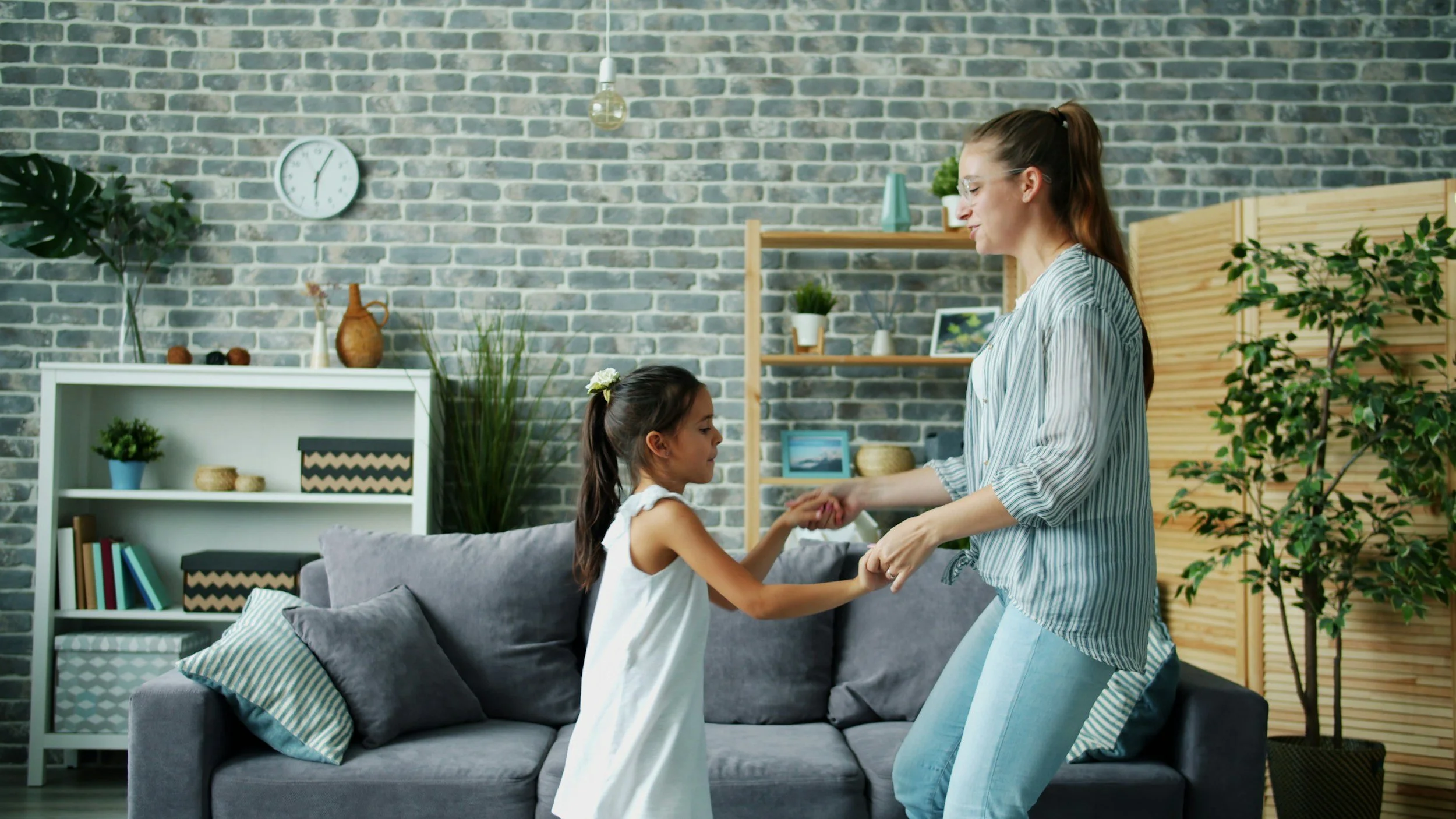
For this program, video is an advantage. The behaviors you're working on happen at home, so that's where the coaching should happen.
Your child plays with their own toys in their own space while I watch and coach you quietly in real time. Skills learned in your living room don't need to transfer from a clinic because they're already home.


Who PC-CARE is for
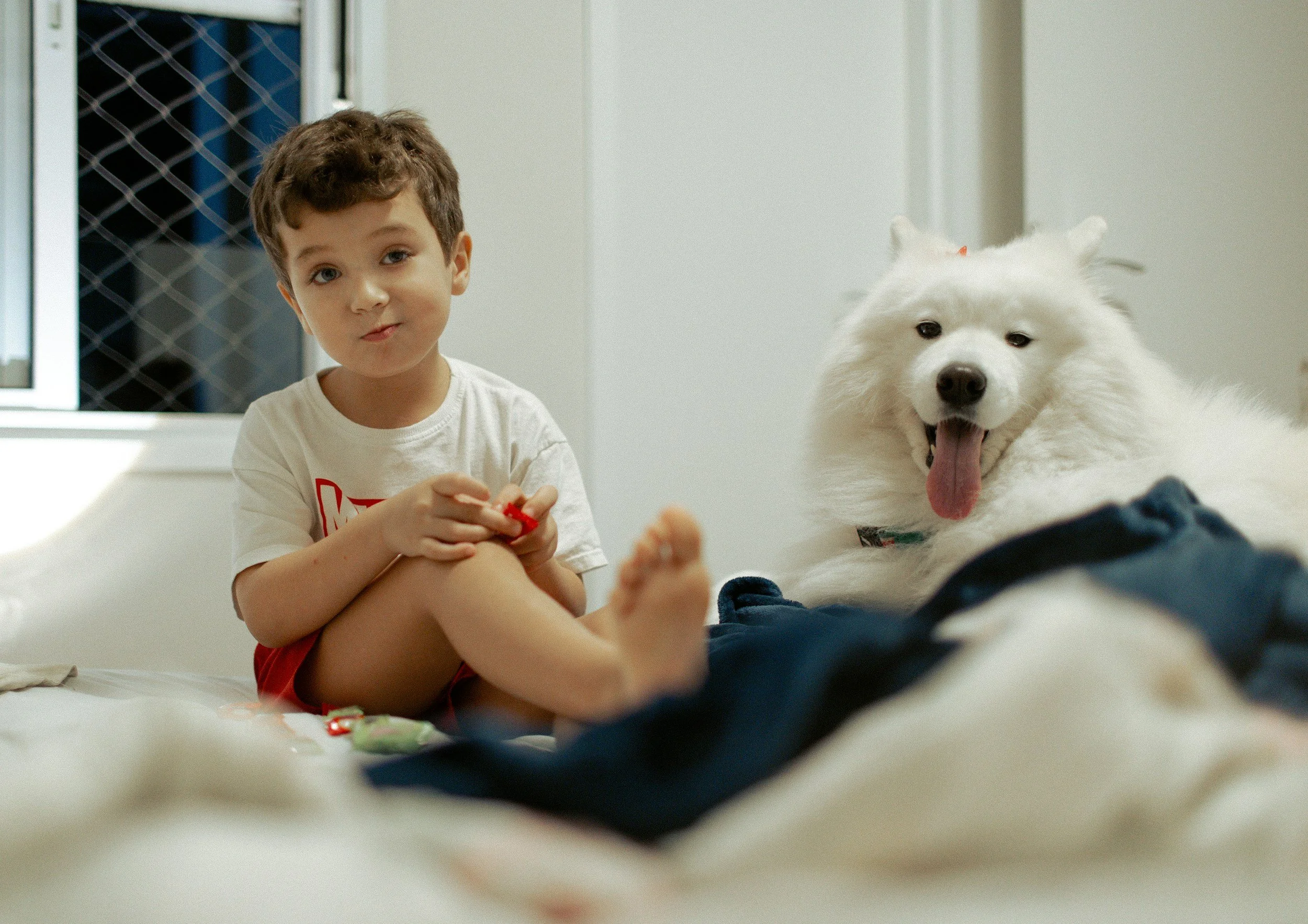
Any consistent caregiver — parents (all parents welcome, truly), grandparents, foster and adoptive parents, relative caregivers, and reunited parents with at least regular supervised contact — anywhere in the United States. PC-CARE is a structured coaching program rather than psychotherapy, and that's what lets me offer it nationwide instead of only in my licensed states.
My sweet spot is children two and a half to five, and I'm happy to consider older kids case by case. It's a fit for big feelings, defiance, tantrums, transitions, and the caregiver who is simply exhausted and out of ideas. If your family needs support around specific diagnoses — feeding concerns, sexual behavior issues, ASD or IDD — or Spanish-language services, the PC-CARE and PCIT directory can point you to the right specialist, and I'll help you get there.
After the seven weeks
A one-month follow-up session is the recommended standard of care, and families can request additional follow-up or repeat sessions whenever a refresher would help. Skills fade without practice; the door doesn't close.
About my experience with young families
Before this practice, I worked in early-learning public charter schools and as a Child Advocacy Center family advocate, and I spent two years co-developing expressive arts "Family Friday" programming for families with children ages 0–5 at The Chrysalis. The PC-CARE training is from UC Davis directly, Phases 1 and 2. Small children and their tired, trying caregivers have been part of my work from the beginning — this program is just the most structured way I offer it.

Questions parents ask
If you have any questions before getting started, I’m here to help.
-
No — it's coaching for you, with your child in the room, and no mental health diagnosis is given. That's why it's fast: we're not waiting for a four-year-old to develop insight. We're building your skills, live, and your child's behavior responds to the change in you. If you or your child would benefit from formal diagnosis or space for emotional processing, I'll refer you for that follow-up support.
-
Sessions are $200 per hour, or a discounted package of seven sessions for $1,300. Because coaching involves no diagnosis, it isn't reimbursable by insurance — and you'll receive a Good Faith Estimate of expected costs up front, as required under the No Surprises Act. The first 20-minute consultation is free.
-
One consistent caregiver is enough to start, and the skills transfer at home — though it's genuinely great to have all parents involved when possible, and the effects tend to stick faster when more of the household speaks the same language.
-
Possibly — my specialization is toddlers through age five, and I take older children case by case. Reach out and we'll figure out together whether I'm the right fit or whether the PC-CARE/PCIT directory can match you better.
-
No. I provide attendance verification and a completion letter when appropriate, but I don't perform custody evaluations, make recommendations to the court, or provide expert testimony. If the court requires those services, you'll need a professional who offers court-appointed or forensic work.
-
Seven weeks is shorter than another year of this. A free 20-minute video consultation is enough to tell you whether PC-CARE fits your family — and if it doesn't, I'll point you somewhere that does.