
In California, an Associate Clinical Social Worker can be supervised by an LCSW, LMFT, LPCC, licensed psychologist, licensed educational psychologist, or board-certified psychiatrist. One rule narrows that list in practice: at least 1,700 of your 3,000 hours and 13 of your supervised weeks must come from an LCSW specifically.
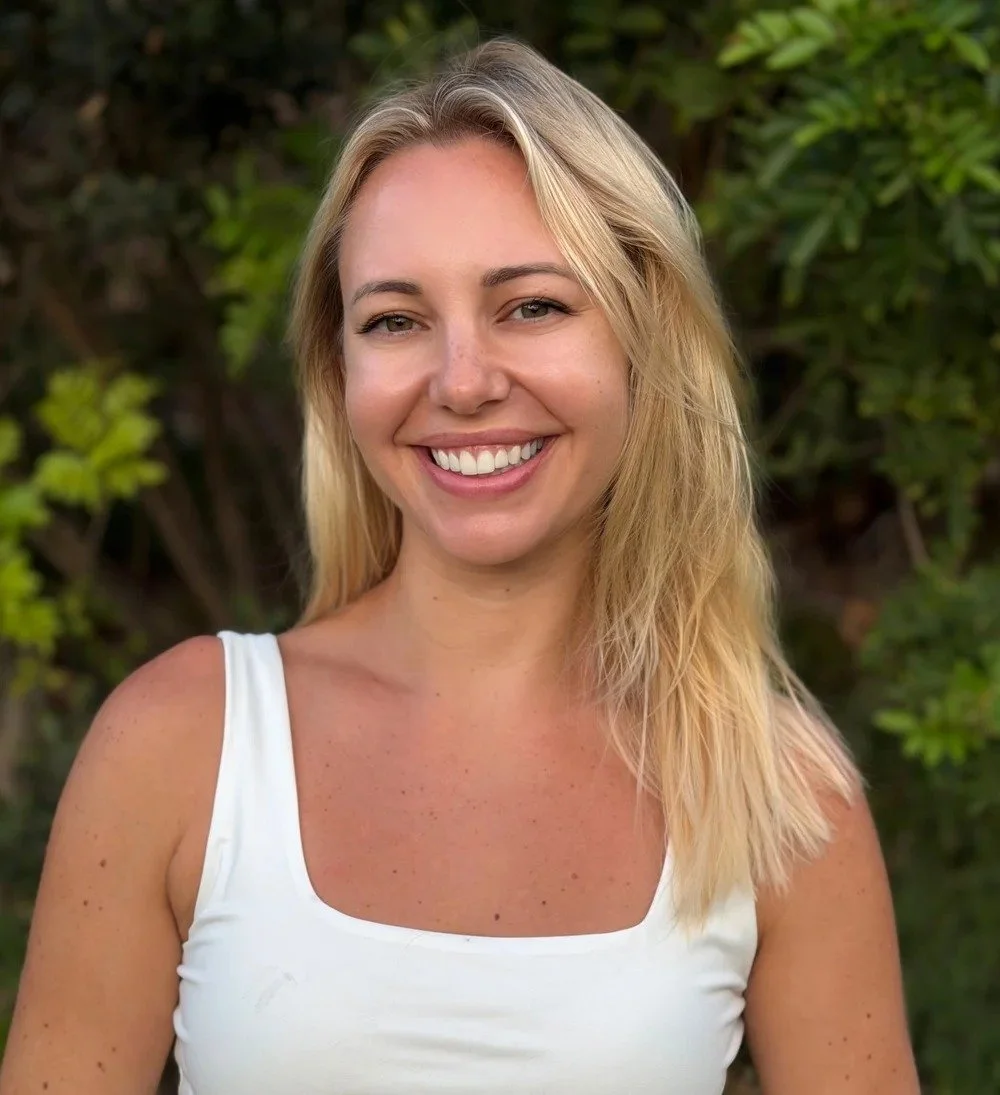
That single requirement is why associates end up looking for a second supervisor partway through, often later than they'd like. I'm Logan Brantley, MSW, LCSW, LICSW, California LCSW 110813, and I supervise ASWs online across the state.
The rule that catches people
California requires 3,000 hours of supervised post-degree experience including 104 supervised weeks. Any qualified licensed professional on the list above can supervise those hours, with one exception: a minimum of 1,700 hours and 13 individual or triadic weeks must be supervised by a Licensed Clinical Social Worker.
The 1,700 is counted across your total hours rather than per work site. If you're at two jobs, one under an LCSW and one under an LMFT, only the LCSW site's hours accrue toward that minimum. Associates whose only supervisor is an LMFT, LPCC, psychologist, or psychiatrist are banking zero of it, regardless of how good that supervision is.
Worth checking your logs this week rather than in month twenty.
If you just worked out that none of your hours count toward the 1,700, contact me with your supervisor's license type and your current total. I'll tell you what you're actually looking at, whether or not you end up working with me.
What a supervisor has to have
A supervisor of an ASW needs a current, active, unencumbered California license in one of those categories, and must have held an active license in California or another state for at least two of the last five years before supervision starts. They also need two of the last five years either practicing psychotherapy or supervising associates and trainees.
LCSWs, LMFTs, LPCCs, and LEPs must complete a 15-hour supervision course meeting the Board's content requirements within 60 days of beginning supervision, then six hours of continuing professional development in supervision each renewal cycle. Psychologists and psychiatrists are exempt from the training requirement.
A licensed educational psychologist can supervise a maximum of 1,200 hours, and only educationally related mental health services within the LEP scope of practice.

Can your supervisor work somewhere else?
Yes, in most settings, with paperwork.
Exempt settings
Government entities, schools, colleges and universities, and 501(c)(3) nonprofits are exempt settings. If your supervisor isn't employed by your employer, or is volunteering, the two of them sign a written oversight agreement covering each party's responsibilities, and it has to be executed before supervision begins. The Board publishes a sample.
Private practice and professional corporations
Here the requirements tighten. An outside supervisor must be contracted by your employer or own the practice, and must either provide psychotherapeutic services to that employer's clients or hold a written contract granting the same access to your clinical records that an employee has.
One timing rule to plan around: you may only work in a private practice or professional corporation for the first six years after your associate registration is issued, and there are no exceptions.
Does supervision by video count?
Yes. California permits supervision by live two-way videoconferencing when your supervisor determines it's appropriate, and no portion of your supervision is required to be in person. Your supervisor is responsible for protecting client confidentiality on their end.
Telephone supervision does not count. The statute requires a face-to-face component, and audio alone doesn't satisfy it.
If you're trying to work out whether a remote LCSW can sign for your setting, that's a ten-minute conversation and I've had it many times.
How much supervision per week?
One unit per week in each setting where you're claiming experience. A unit is one hour of individual supervision, one hour of triadic supervision, or two hours of group supervision. Triadic means one supervisor and two supervisees, and the Board credits it as equivalent to individual.
If you provide more than ten hours of direct clinical work in a week at a given site, you need two units that week at that site. The Board credits a maximum of six supervision hours in any one week and a maximum of 40 experience hours in any seven consecutive days across all settings.
Of your 104 supervised weeks, at least 52 must be individual or triadic, and at least 13 of those 52 must be with an LCSW.
A note on sourcing
Everything above comes from the Board's own ASW FAQ, revised January 2026, and their Summary of Supervisor Qualifications. Rules change, your file is the Board's call rather than mine, and I'd verify anything consequential directly with them. I keep current with their revisions because I have to.
If you need the LCSW hours
I provide online clinical supervision to ASWs across California by live video, weekly, individual or triadic, on a $100 to $200 sliding scale. I also supervise AMFTs, MFT trainees, and APCCs.
Bring three things to a free twenty-minute consultation: your current hour totals, your supervisor's license type, and your work setting. With those I can tell you how many LCSW hours and weeks you still need, which agreements your setting requires, and roughly what it'll cost to finish. If I'm not the right supervisor for you, I'll say so and I'll usually know someone who is.
Send me a message to book a free consultation with me.