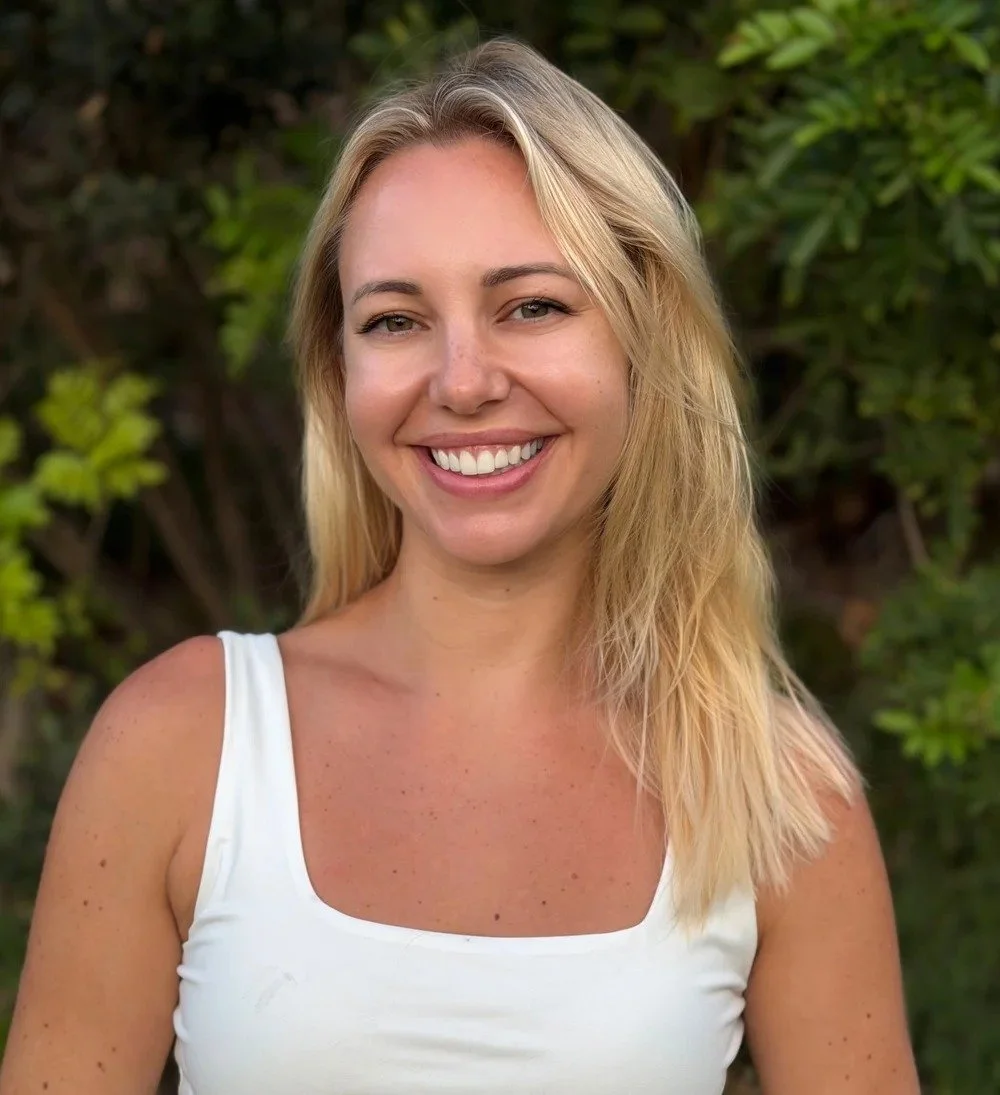

If you grew up in a Texas church and the only counseling you've ever had came from inside it, licensed therapy is a different arrangement. Your therapist holds a state license and a confidentiality obligation, has no stake in what you conclude about your faith, and answers to a board rather than to a pastor. I'm licensed in Texas and I see clients across the state by video.
People find me after some version of the same experience. They brought something real to a church counselor and got scripture, or accountability, or a conversation that somehow circled back to their own submission. Sometimes they brought abuse and were told to forgive and stay.
What licensure actually changes
Biblical counseling and pastoral counseling are largely unregulated in Texas. Many practitioners are sincere and some are skilled, but there's no required graduate clinical training, no board oversight, no mandated supervision, and no license to lose.
A Licensed Clinical Social Worker is regulated. I carry graduate clinical training, board-mandated continuing education, and a license that exists to be answerable. What you tell me is confidential within the limits of Texas law, and nothing you say reaches your congregation.
Practically, the thing most people notice first is that I have no preferred outcome about your faith. Plenty of my clients stay. Some become more devout than they were. Some leave and grieve it for years. I'm not running you toward an exit, and I'm not running you back.
If you want to test whether that's true of me specifically rather than taking my word for it, twenty minutes on video is the cheapest way to find out. Schedule free consultation
Religious trauma as a nervous system event
Religious trauma gets talked about as a belief problem, which misses where it lives. If you were raised with a God who monitored your thoughts, your body learned constant surveillance before you had language for it. That doesn't resolve when your theology changes.
It shows up as a flinch when someone raises their voice in a certain cadence. Sunday mornings that bring low-grade dread years after you stopped attending. An inability to make a decision without scanning for whether it's permitted. Guilt that arrives faster than thought.
I work with that somatically because that's where it's stored. Brainspotting, somatic parts work, expressive arts therapy, and an interpersonal neurobiology lens across all of it. Expressive arts matters particularly here — when the vocabulary you have for your interior life is borrowed from the system that hurt you, image gets around the problem that language has become.

This overlaps with family, not just faith
Religious trauma in Texas rarely arrives alone. It's usually tangled with the family that raised you inside it, and with the position you occupied there. The daughter who held the household together. The oldest, parentified early, still managing everyone's feelings at thirty-four. The one who asked a question at fifteen and became the family's problem for it.
When you start to doubt, you're not only renegotiating belief. You're risking the people who come with it. Clients tell me that's the part no one warned them about — the loneliness of being the one who left, at a table where everyone else stayed.
If the part you're dreading is the family conversation rather than the faith one, say so when we talk. That's frequently where the work actually starts.
How online therapy works in Texas
I'm licensed in Texas and licensed therapy is delivered based on where you are, which means I can see you in Houston, Dallas, Austin, San Antonio, El Paso, the Valley, or a town with one stoplight. I hold no office anywhere and never have, so nobody gets a better version of me for living in a city.
For people in small Texas towns where everyone attends somewhere and the local counselor sits two pews over, that's usually the whole appeal. Nobody sees your car in the parking lot.
I'm also licensed in California, DC, Virginia, and Maryland, and I practice privately rather than in network. Fees run on a three-tier model — Supportive $160, Sustaining $200, Growth $250 — and you choose your tier. I provide superbills and partner with Thrizer for out-of-network reimbursement.
One note before you book
This work can stir things up, particularly early. I'm not available for crisis response between sessions. If you're in acute distress, 988 reaches the Suicide and Crisis Lifeline any hour.
Where to start
Nothing you tell me reaches your congregation, your family, or anyone who knows them. Confidentiality is a legal obligation I hold under Texas law, not a courtesy I extend.
What the twenty minutes actually involves
It's a video call, it's free, and it's twenty minutes. You don't have to tell me your history — I'd rather you didn't, since there's no way to do that well in twenty minutes and no reason to open it with someone you haven't decided on yet.
Mostly you ask me things. What I'd do with your situation, how I work, what the fee tiers mean, whether you need something I don't offer. I'll tell you if I'm not the right fit and I'll usually have a name for you instead. Nobody follows up afterward to sell you a package, because there's only me here and I don't do that.
You've likely had enough of counseling where you had to guess at the counselor's agenda. Ask me directly about mine.
Send me a message to book a consultation.
Not ready to book
I write a newsletter at soulwork.substack.com — somatic and expressive arts material, at whatever pace I actually have something to say. Reading me for a few months before you decide is a perfectly reasonable way to do this.