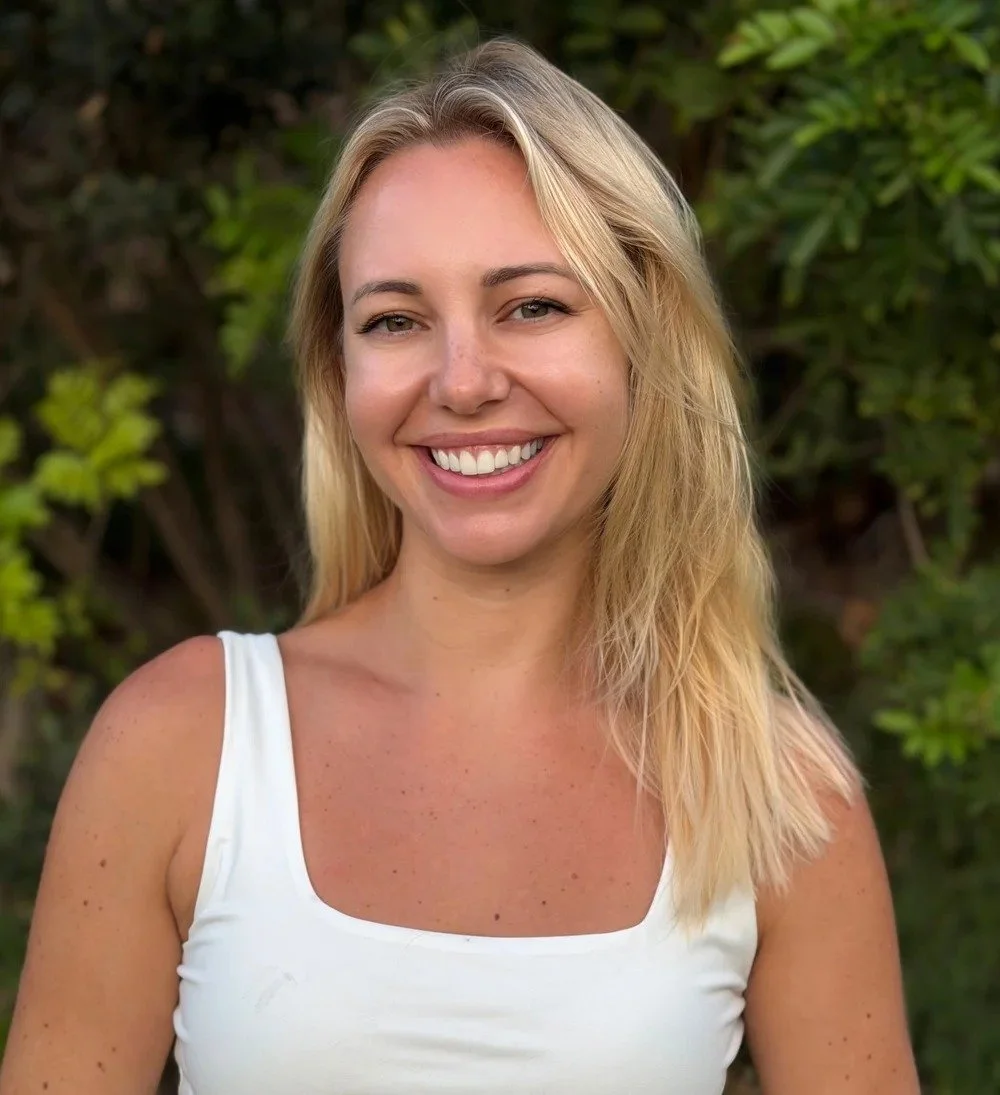

No. You don't need talent, training, or any prior relationship with making things. Expressive arts therapy uses image, movement, sound, and writing as a route to material that words haven't reached yet, and the quality of what you produce has no bearing on whether it works. I'm Logan Brantley, MSW, LCSW, LICSW, and this is the question I'm asked most often before someone books.
Usually it arrives apologetically. People tell me they can't draw, they're not creative, they were the kid whose art got put at the back of the hallway display. Then they ask whether there's a version of therapy that doesn't involve any of it.
Why artistic skill has nothing to do with it
Nothing you make in a session gets evaluated, and I don't interpret it back at you. If you draw something and I decide it means you're angry at your mother, I've just replaced your knowing with mine, which is the opposite of the point.
What I'll ask instead is what it was like to make it. Where your hand went first. What you avoided. Which color you reached for before you thought about it, and what happened in your chest when you did. That information belongs to you, and you're the only one who can read it.
People who describe themselves as skilled artists often have a harder time, if anything. They arrive with standards, and standards get in the way.
You can also just ask me. A twenty-minute consult is free, and "I can't draw and I'm a little embarrassed about it" is a completely legitimate way to spend it. Schedule free consultation
What actually happens in a session
The materials are whatever you have
Online, this stays deliberately low-tech. Paper and whatever pen is already next to your laptop will carry most of the work. Some clients build a small collection over time — oil pastels, a cheap set of watercolors, scissors and magazines — and some never use anything but printer paper for a year.
The invitation is small
I don't open with a blank canvas and an instruction to express yourself, which would make most people shut down immediately and reasonably so. I'll suggest something narrow. Give the feeling a shape. Use your non-dominant hand. Make a mark for how the week went without planning it first.
Narrow is what makes it possible. The point isn't a finished piece.
Then we stay with it
We look at it together, out loud, and I ask questions. Sometimes something shifts right there. Sometimes you'll look at it the next morning and it'll land then instead.
Not everything is drawing
Expressive arts covers movement, sound, voice, poetry, and writing. I've had people work almost entirely through writing fragments and others who did most of their processing with a single piece of music. If visual material isn't your entry point, we'll find yours.
If your entry point is music, or writing, or you have no idea what it is, say that in a consultation and we'll find out together rather than guessing.

When this is more useful than talking
Expressive arts earns its place with people who are articulate and still stuck. If you can explain your history in clear chronological order, name your attachment style, and feel nothing while you do it, language has become the place you hide rather than the place you process. Image goes around that.
It also helps when a memory is pre-verbal, or when something happened before you had words for it, which is frequently the case with early relational trauma. The body kept a record that language never had access to.
About my expressive arts training
I completed the Expressive Arts Therapy K Module through the Expressive Arts Institute San Diego and the qualifying phase of a PhD in Expressive Arts Leadership at The European Graduate School, and I'm actively pursuing research in expressive arts therapy and peace conflict resolution. I co-developed and facilitated Expressive Arts "Family Friday" programming for ages 0 to 5 at The Chrysalis through the Monarch School Project, and I teach graduate coursework at Bastyr University.
I'm also an artist. I drew the panther, fawn, and bird illustration on this site. That matters less than the training, but it's why I'm relaxed about the materials and completely uninterested in whether your drawing is good.
Where to start
If you want to ask whether this works for someone who hasn't made anything since middle school, that's a perfectly good reason to book a consultation. I see clients in California, Texas, DC, Virginia, and Maryland.
What the twenty minutes actually involves
It's a video call, it's free, and it's twenty minutes. You don't have to tell me your history — I'd rather you didn't, since there's no way to do that well in twenty minutes and no reason to open it with someone you haven't decided on yet.
Mostly you ask me things. What I'd do with your situation, how I work, what the fee tiers mean, whether you need something I don't offer. I'll tell you if I'm not the right fit and I'll usually have a name for you instead. Nobody follows up afterward to sell you a package, because there's only me here and I don't do that.
Send me a message to book a consultation.
Not ready to book
I write a newsletter at soulwork.substack.com — somatic and expressive arts material, at whatever pace I actually have something to say. Reading me for a few months before you decide is a perfectly reasonable way to do this.